
Peace In Recovery
Peace didn’t arrive when the chaos ended.
It began when I stopped rebuilding the chaos.
Peace in recovery isn’t something you stumble into once the drinking or using stops. It’s something you slowly create, through thousands of quiet decisions nobody else ever sees. Most people expect finding peace after addiction to feel dramatic — a single moment where everything settles. It doesn’t usually work that way. People expect fireworks. Recovery gives you silence instead, and for a long time, that silence feels uncomfortable rather than peaceful. This guide covers why peace after addiction feels so unfamiliar at first, why so many people quietly miss the chaos they left behind, and how peace actually gets built — one ordinary day at a time, not stumbled into by accident.
- ✓ What peace in recovery actually means
- ✓ Why peace feels strange after addiction
- ✓ Why you don’t find peace, you stop creating chaos
- ✓ Why peace isn’t the same as boredom
- ✓ How peace gets built daily
- ✓ What comes after peace
Table of Contents
What Peace in Recovery Actually Means
Peace in recovery isn’t happiness. It isn’t excitement, and it isn’t perfect circumstances lining up the way you always imagined they would once you got sober. Bills still come due. Hard conversations still happen. Bad days still arrive.
Peace is simply no longer living at war with yourself. It’s the absence of the constant internal negotiation, the daily argument between what you’re doing and what you know you should be doing. That war is exhausting in a way most people don’t fully register until it stops — and when it finally does stop, what’s left in its place is peace, even though it rarely announces itself as such.
This is why peace after addiction so often gets mistaken for something smaller than it is. It doesn’t look like triumph. It looks like an ordinary Tuesday where nothing went wrong, and for the first time in years, nothing had to.
People frequently confuse peace with the absence of problems. That’s not accurate either. Problems still show up in a life at peace — the difference is that they no longer arrive stacked on top of an ongoing internal war. A car repair is just a car repair. A hard conversation is just a hard conversation. Neither one gets amplified by the exhausting background noise of also being at odds with yourself.
Recovery mindset, in this sense, isn’t about eliminating difficulty. It’s about removing the second layer of difficulty that used to sit on top of everything else — the constant self-argument that made ordinary problems feel unbearable.
Why Peace Feels Strange After Addiction
A life organized around addiction runs on constant stimulation — chaos, dopamine spikes, adrenaline, crisis, drama, the next thing to manage or escape or chase. That’s not a judgment. It’s just an accurate description of what daily life actually felt like for a long time.
When that stimulation disappears, the nervous system doesn’t know what to do with the quiet. Many people find themselves missing the chaos they left behind, and that confuses them, because they know intellectually that the chaos was destroying their life. The missing isn’t about wanting the chaos back. It’s about familiarity — the nervous system had adapted to crisis as its baseline, and calm, by comparison, can feel almost alarming at first.
This is one of the least talked-about parts of early sobriety: peace after getting sober frequently arrives alongside a strange, low-grade restlessness, as if something’s supposed to be happening and isn’t. That restlessness usually isn’t a sign that something’s wrong. It’s a sign that a nervous system built for crisis is slowly learning a new, quieter operating mode.
This adjustment period has a real physiological basis. Years of stress hormones and dopamine cycling around chaos and crisis don’t reset the moment the substance stops. The body keeps producing the same chemical patterns for a while out of sheer habit, which is part of why people in early sobriety sometimes manufacture small crises without fully realizing they’re doing it — an argument that didn’t need to happen, a deadline pushed to the last possible minute, a minor drama picked up from someone else’s life. The nervous system is looking for the stimulation it’s used to, even after the person consciously wants none of it.
Recognizing this pattern for what it is — withdrawal from stimulation, not evidence that sobriety isn’t working — is often the difference between riding it out and accidentally recreating the chaos just to feel normal again.

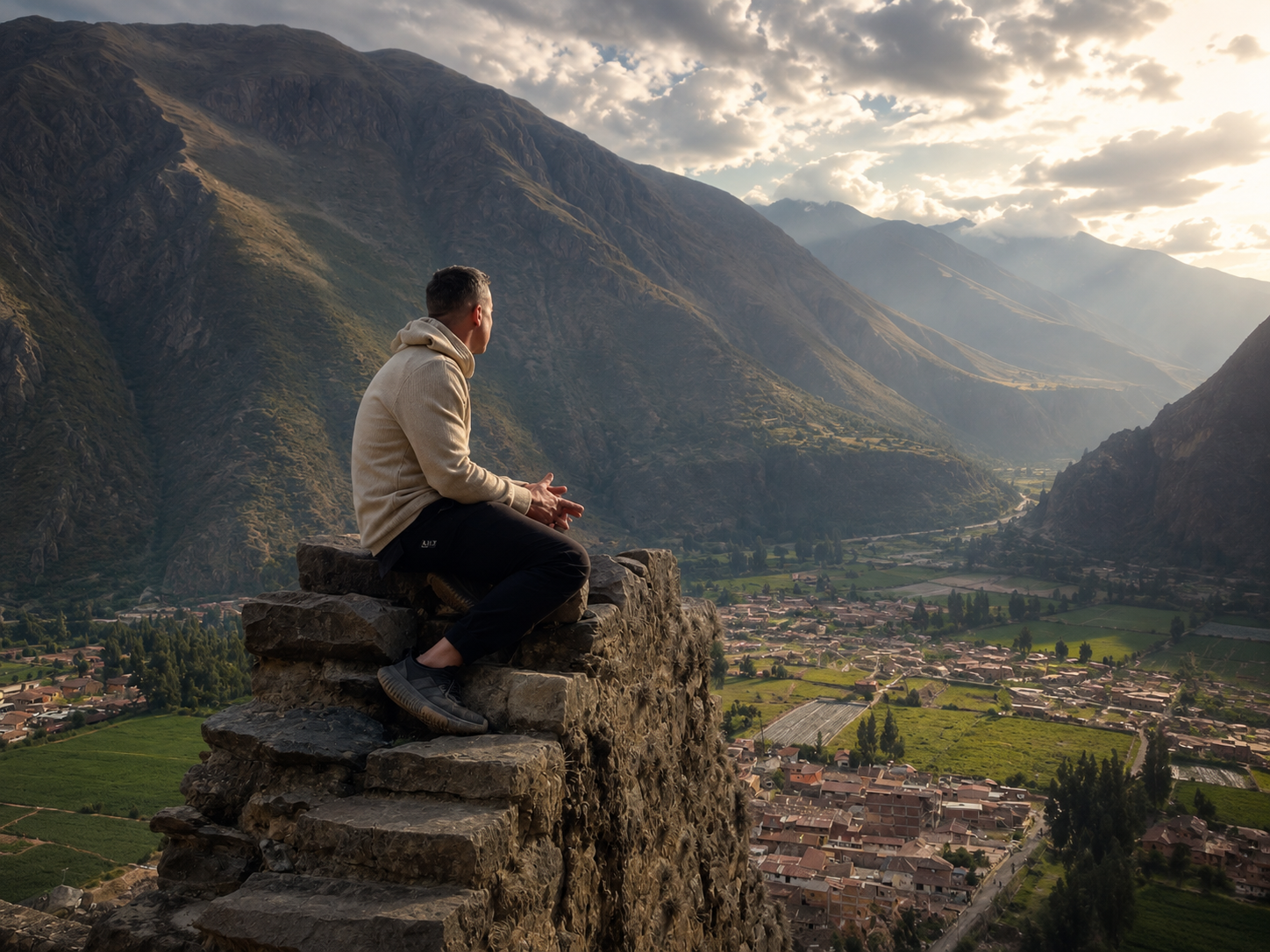
Peace rarely announces itself. Most days, it looks exactly like this—quiet enough that you almost miss it.
You Don’t Find Peace. You Stop Creating Chaos.
This is the part almost nobody explains clearly: peace in recovery isn’t something you go out and find, the way you might find a job or a house. It’s what’s left over once you stop actively generating the chaos that used to crowd it out.
Look honestly at where the chaos in your life used to come from. The arguments that didn’t need to happen. The impulsive decisions made at 2am that reliably made everything worse. The lies — to other people, and just as often to yourself — that had to be tracked and maintained and eventually collapsed under their own weight. The running, the escaping, the constant management of self-created crises.
None of that chaos was random. Almost all of it was generated, directly or indirectly, by decisions that felt necessary in the moment. Once those decisions stop — once you stop starting the arguments, stop making the impulsive 2am calls, stop lying, stop running — the chaos that used to fill every day simply has nowhere left to come from.
Peace doesn’t arrive to fill that space from outside. It’s just what was always underneath the chaos, visible now that the chaos has nothing left to feed it.
This reframing matters because it puts the responsibility somewhere useful. If peace is something you passively wait to find, you’re stuck waiting indefinitely, often blaming circumstances for its absence. If peace is what’s left once you stop actively generating chaos, then the path forward is concrete: identify what you’re still doing that creates unnecessary conflict, and stop doing it, one instance at a time.
For most people, this isn’t one dramatic decision. It’s dozens of small ones — not sending the text that would reopen an old argument, not making the impulsive purchase that would create a financial crisis next month, not telling the version of events that’s easier to tell than the true one. Each of those choices, individually, seems minor. Collectively, they determine whether chaos keeps refilling your life or finally runs out of fuel.
Peace Isn’t Boring
One of the most common things people report in early sobriety is that peace feels boring — flat, uneventful, almost disappointing compared to the intensity of the life they left. This is a real, common experience, and it’s also a misread of what’s actually happening.
What people are usually calling “boring” is actually the unfamiliar experience of a calm nervous system. If your baseline for years was elevated — always slightly on alert, always managing something — then a genuinely calm state doesn’t register as peaceful at first. It registers as absence, as nothing happening, because “nothing happening” was never something your nervous system had much practice sitting inside.
Boredom and peace can feel identical from the inside for a while. The difference tends to reveal itself over time: boredom stays empty, while peace, given enough time to settle, starts to feel less like absence and more like room to actually think, decide, and live without managing a constant undercurrent of crisis.
There’s a useful test worth applying when peace starts to feel suspiciously like boredom: ask whether the discomfort is coming from a genuine lack of purpose, or from the unfamiliar sensation of not needing to manage anything urgent. The first is worth addressing directly — building purpose is real work. The second usually just needs time and repetition before it stops registering as absence at all.
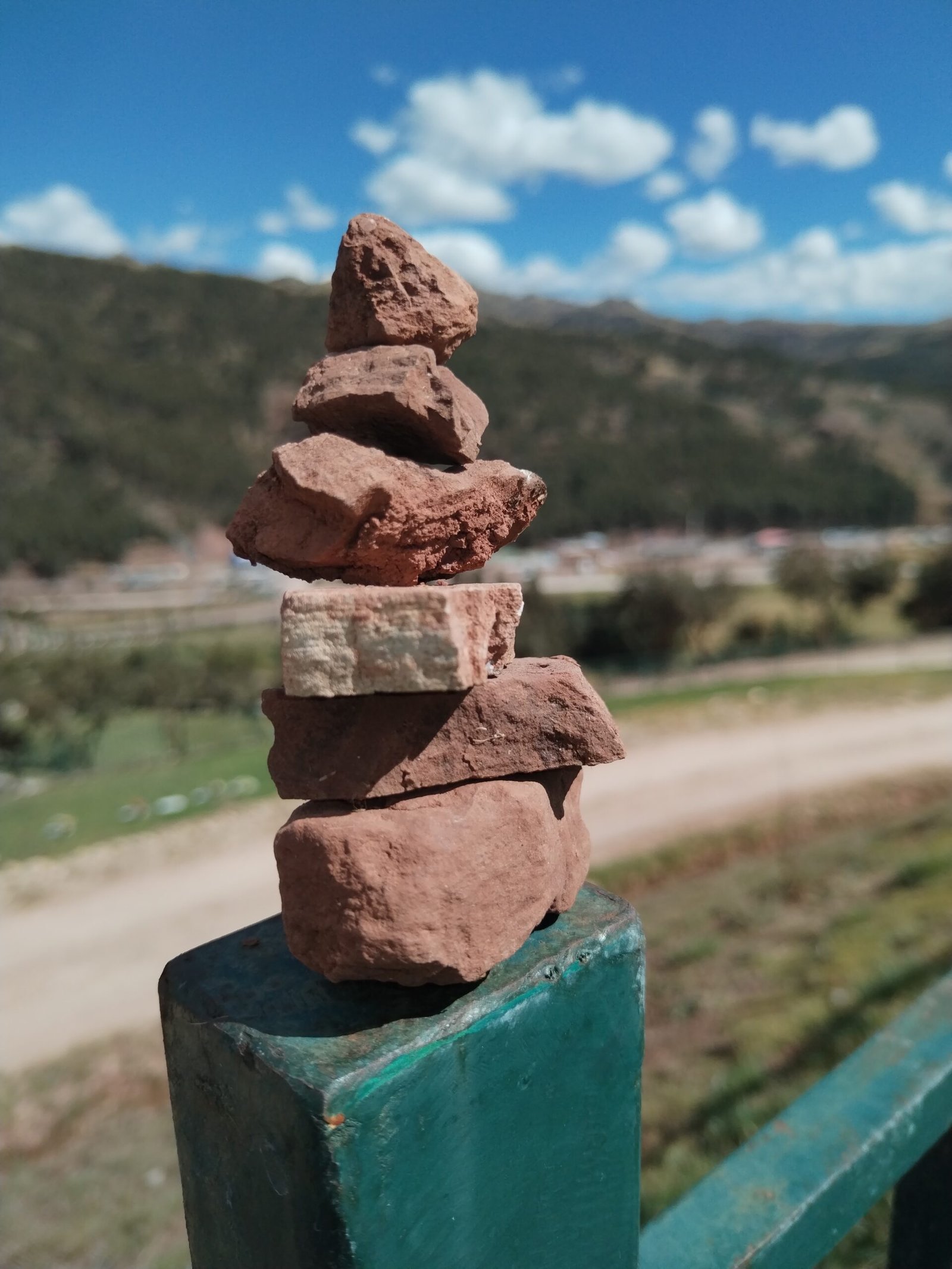
Peace is built daily. Stone by stone.
Peace Is Built Daily
Peace isn’t a state you arrive at once and keep permanently. It’s closer to a practice, rebuilt daily through the same small, unremarkable actions repeated until they hold.
- A morning walk
- Coffee, made slowly
- Journaling
- Reading
- A meeting, if that’s part of your recovery
- Movement or a workout
- Prayer or quiet reflection
- Going to bed at a reasonable hour
None of this is complicated, and that’s exactly the point. Peace doesn’t require an elaborate system. It requires repetition — the same handful of ordinary actions, most days, building a foundation stable enough that peace has somewhere to actually settle instead of getting crowded out again.
What matters more than which specific habits you choose is the consistency of doing them at all. A morning walk on some days and nothing on others doesn’t build the same stability as a shorter walk done nearly every day. Recovery discipline and peace share the same underlying mechanism: small, boring, repeated actions that compound slowly into something that doesn’t feel small at all once enough time has passed.
It’s also worth being honest that some days this list won’t get fully completed, and that’s fine. The goal isn’t a perfect daily record. It’s a general pattern strong enough that missing one day doesn’t undo the foundation the other days have built.
Peace isn’t the reward. Peace is the result.
Founder Reflection
I first visited Cusco in 2018. It was the first place I’d ever been where I felt like my soul belonged and my entire body was finally at rest. It was a strange feeling. Somehow I knew, even then, that I’d end up living there eventually. Years later, I did. I was tired of building. I wanted to go somewhere and live free.
Here’s what people get wrong when I tell them about it: they assume it was quiet. It wasn’t. Where I live, there are cars honking, people walking by, dogs barking most mornings — and that’s exactly how I like to wake up. I sit on my balcony with coffee and a cigarette, watching the mountains, watching people start their day. Most mornings my dog and I walk down to a busy street corner and just sit on a bench for a while, watching traffic go by.
The stillness that actually got to me wasn’t the absence of noise. It was the absence of anything to do. Before Cusco, I was always building something — houses gutted and redone, cars brought back from wrecked, something always in progress. In Cusco, I had a finished apartment that needed nothing, and no car to work on. For the first time in years, there was nothing left to fix. That absence, not the quiet, is what actually drove me a little crazy at first.
I’m not going to pretend I’ve arrived at peace, because I haven’t. Right now, peace for me looks like walking or hiking alone, some mindfulness while I move. I still need to be in the right state of mind for it — I can’t just summon it regardless of what’s happening around me. I think real peace means staying steady no matter what’s going on outside you, and I’m not there yet. Which might be why, for some reason, I still find it peaceful to just sit somewhere busy and watch the world move.
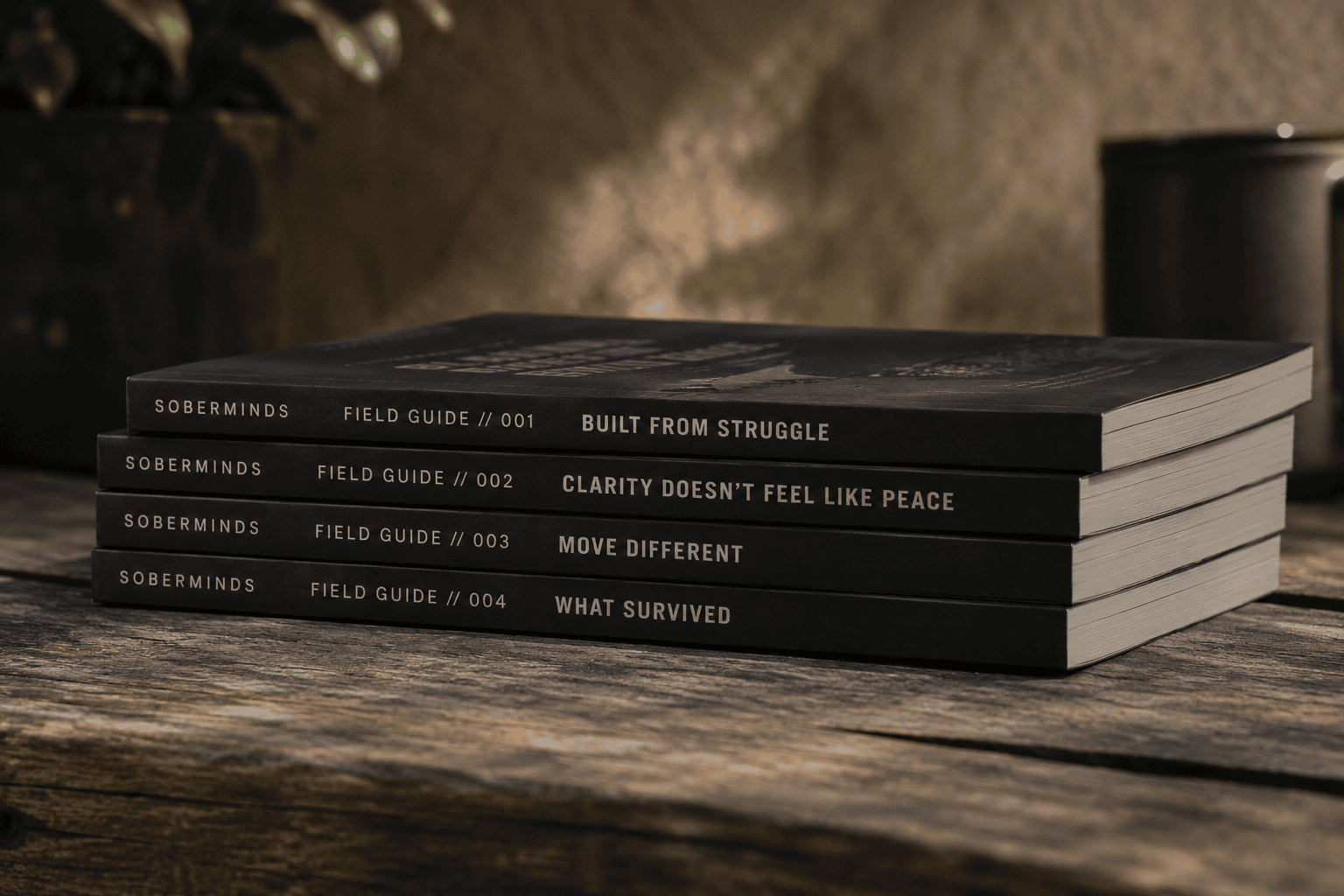
Continue the work. The Field Guide series was built for exactly these quiet, ordinary mornings.
Start With Field Guide // 000Peace Turned Out to Be Enough
I used to think peace would feel dramatic. Instead it felt ordinary. A quiet morning. A clear head. Bills paid. Coffee getting cold while I was busy doing something else. No panic. No hiding. No lies.
Nothing exciting. Just peace. And after everything it took to get here, that turned out to be enough.
- Loading articles…
Frequently Asked Questions
What is peace in recovery?
Peace in recovery is the absence of internal conflict — no longer living at war with yourself between what you’re doing and what you know you should be doing. It’s not happiness or excitement; it’s a quiet, sustained stability.
Why do I still feel restless after getting sober?
A nervous system adapted to years of chaos doesn’t recalibrate instantly. Restlessness in early sobriety is common and usually settles gradually as your baseline shifts from crisis-mode to calm.
How long does peace take?
There’s no fixed timeline. Peace tends to build gradually through consistent daily practice rather than arriving at a specific milestone or date.
Can you have peace after addiction?
Yes. Peace after addiction is achievable, though it’s typically built through consistent daily habits rather than something that arrives automatically once substance use stops.
Why do I miss chaos?
Missing chaos usually reflects familiarity, not desire. A nervous system trained on crisis can experience calm as unfamiliar or even uncomfortable at first, which gets misread as missing the chaos itself.
Is boredom normal in sobriety?
Yes, especially early on. What often gets labeled as boredom is frequently the unfamiliar experience of a calm nervous system rather than a genuine lack of purpose or meaning.
Does peace mean happiness?
No. Peace and happiness are related but distinct. Peace is the absence of internal conflict; happiness is a separate, more variable emotional state that can exist with or without peace present.
How do I build peace every day?
Through small, repeated daily actions — a consistent morning routine, movement, reflection, and rest — rather than one-time efforts. Peace is built the same way discipline is: through repetition.
Why is recovery so quiet?
Because the chaos that used to fill daily life has stopped being generated. The quiet isn’t empty — it’s simply what remains once the crisis-driven noise is gone.
Does peace last forever?
Peace requires ongoing maintenance rather than being a permanent, one-time achievement. It tends to hold as long as the daily practices that built it continue.
This page reflects one perspective built from lived experience, not clinical guidance. For research-backed context:
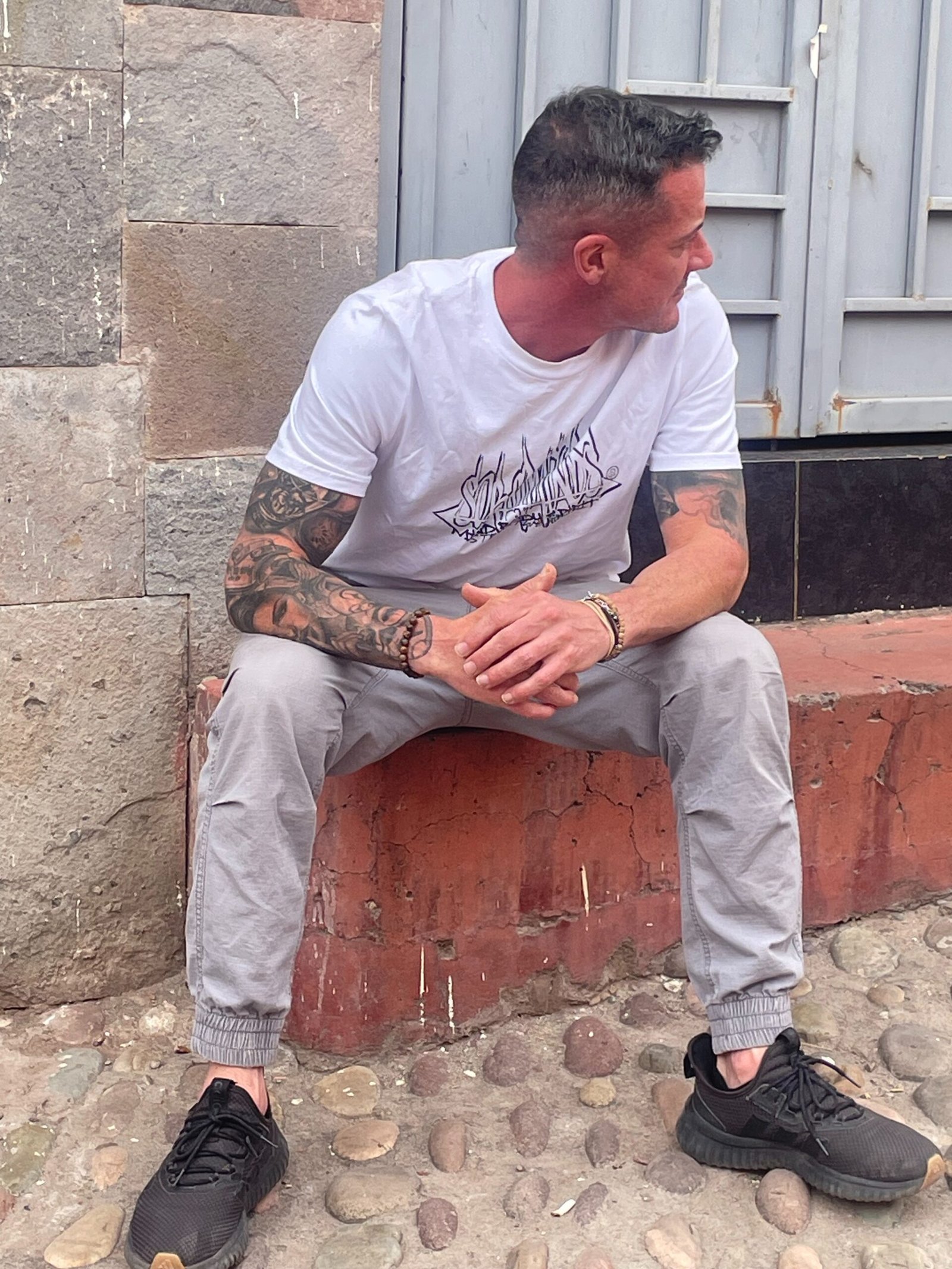
Written by Mark Tuten, Founder of Soberminds Lifestyle®
Veteran. Founder. Writer documenting recovery, identity, discipline, clarity, and peace after addiction. Read the full story.
Keep Doing
The Work.
Explore the full Field Guide collection, or browse Soberminds Clothing — Recovery Hoodies and Sobriety Gifts included.
Download Field Guide // 000