
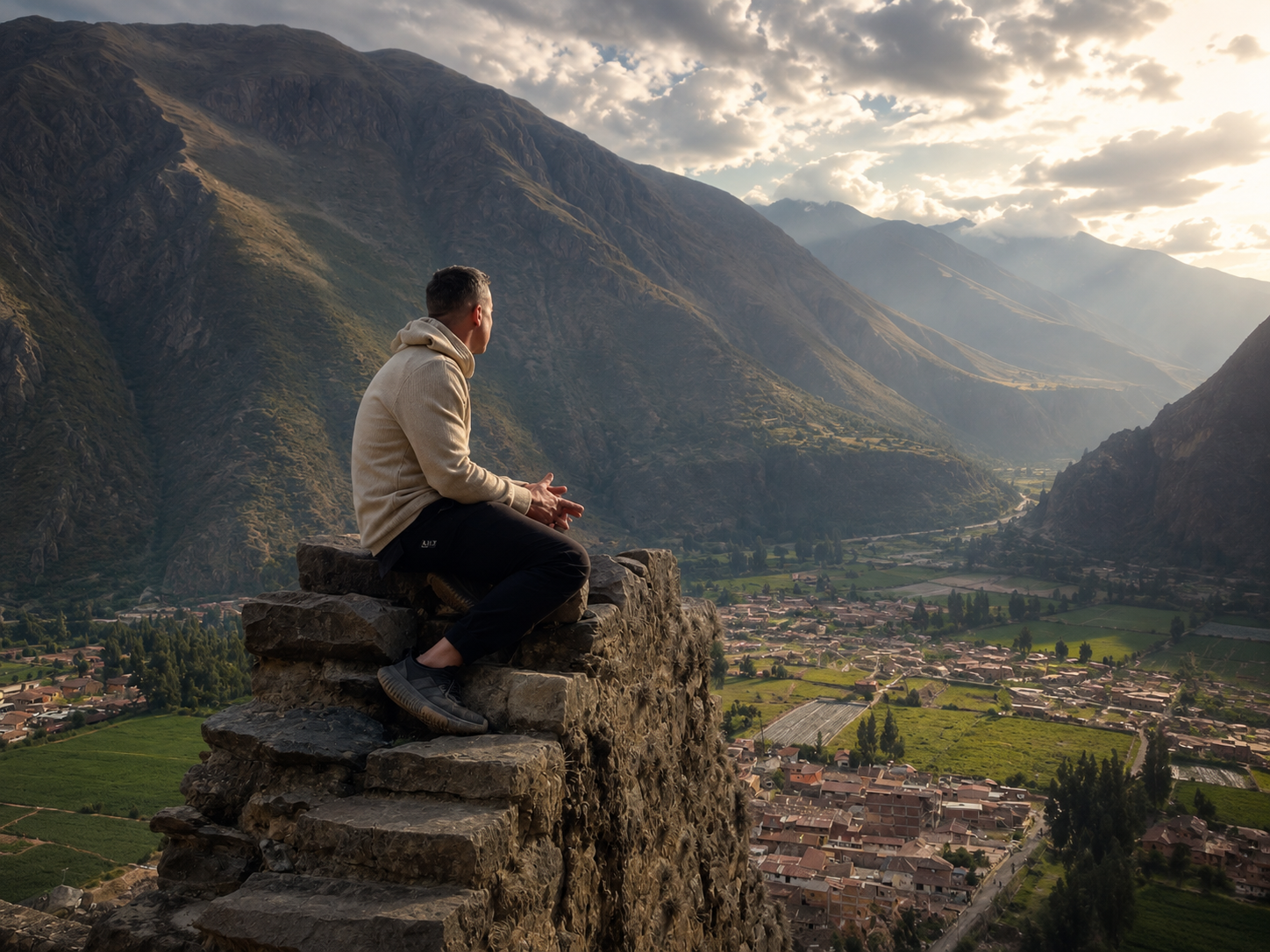
Identity After Addiction
You don’t wake up one morning with a new identity.
You build one in hundreds of quiet decisions nobody else sees.
Identity after addiction is one of the hardest parts of recovery because getting sober changes more than your habits — it changes how you see yourself. Whether you’re dealing with an identity crisis after addiction or just wondering who you are after addiction, this guide explains why that happens, how identity is rebuilt, and what actually creates lasting confidence after recovery.
What Identity After Addiction Really Means
Identity after addiction isn’t a single event or a milestone you cross. It’s the ongoing, often disorienting process of figuring out who you actually are once the substance that organized your entire life is no longer making your decisions for you.
Identity after addiction isn’t found waiting for you. It’s rebuilt, deliberately, through the decisions you make once nobody’s forcing your hand anymore.
Most people expect this part to feel like relief. For many, it feels closer to standing in an empty room. The addiction is gone, but so is the identity that was built around managing it — and nothing automatically arrives to replace it.
That distinction — found versus rebuilt — shapes everything else on this page. Progress here rarely looks dramatic. More often it looks like an ordinary Tuesday where you did the smaller, harder thing instead of the easier one, and nobody but you ever knew.
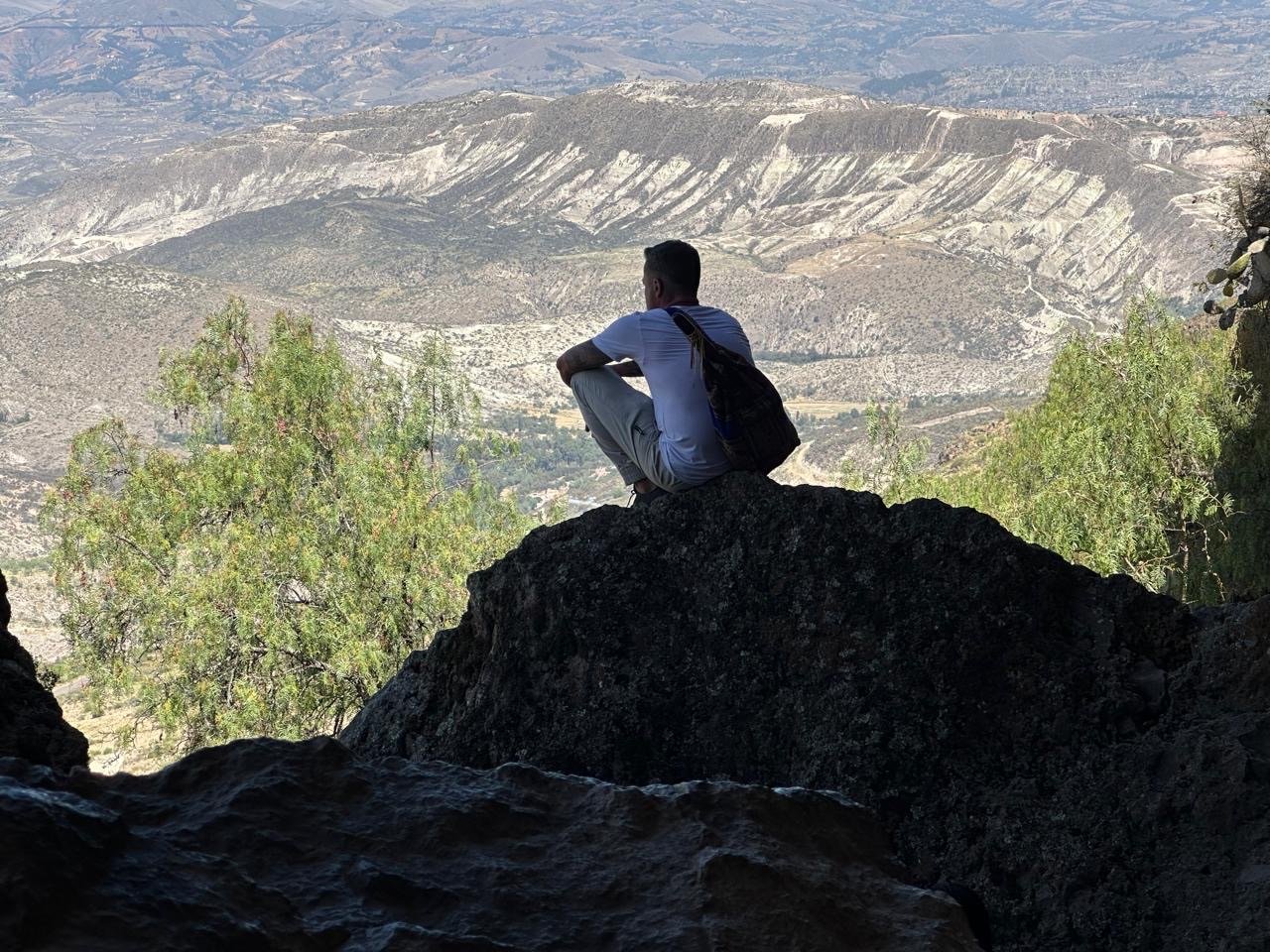
The work of rebuilding identity rarely looks dramatic from the outside.
Why Addiction Changes Identity
Addiction doesn’t announce itself as an identity theft. It happens gradually, through a thousand small trades — a promise broken here, a relationship deprioritized there, a version of yourself quietly swapped out for whatever kept the chaos manageable.
By the time most people get sober, the person they were before addiction isn’t waiting for them. That person is gone, changed by everything that happened in between. What’s left is a stranger wearing a familiar face — which is exactly why so many people in early recovery describe not recognizing themselves in the mirror. This isn’t a flaw in your recovery. It’s an accurate, if disorienting, sign that something real actually changed.
It’s worth being direct about something else here: this process isn’t unique to addiction. Anyone who goes through a long, consuming chapter of life comes out the other side needing to relearn who they are outside of it. Addiction just tends to make the before-and-after unusually sharp.
Why Recovery Feels So Strange
Nobody hands you a map for this part. Treatment, meetings, and structure teach you how to stay sober — they don’t teach you who to be once the chaos that used to organize your entire life is gone.
That absence is disorienting on purpose. For years, your decisions were organized around a single, exhausting priority. Once that’s gone, there’s suddenly space, and nothing automatically fills it.
You’re not starting from zero. You’re starting over from everything you survived to get here, which is a very different, and much stronger, starting point than beginning with nothing at all.
The strangeness itself is worth naming directly. It’s common to feel oddly flat in early sobriety, even on days that should feel like victories — not because something is wrong, but because the nervous system that used to run on crisis hasn’t learned a new baseline yet. That adjustment period is real, and it passes.
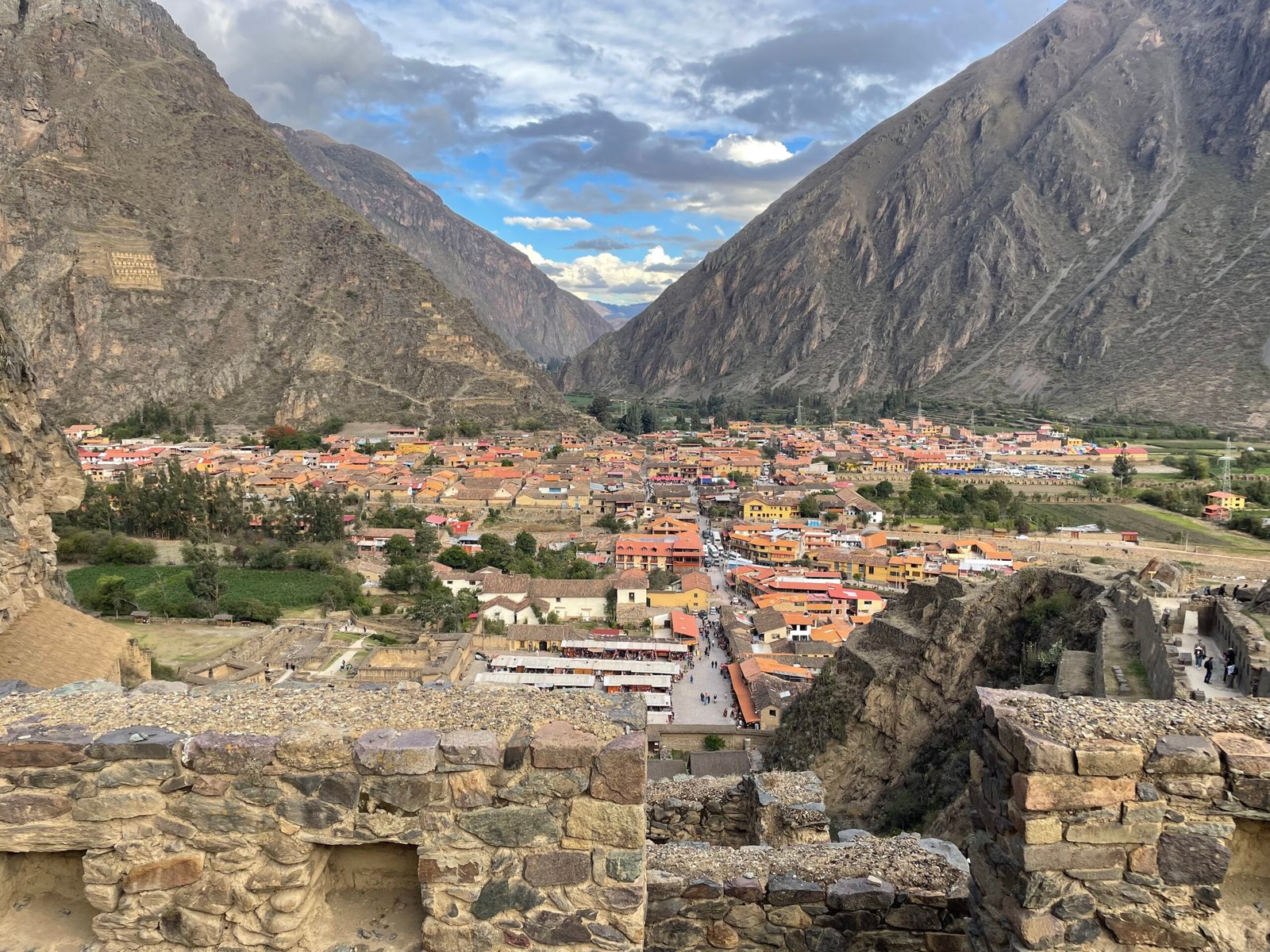
Recovery clears the noise. It doesn’t automatically fill the silence.
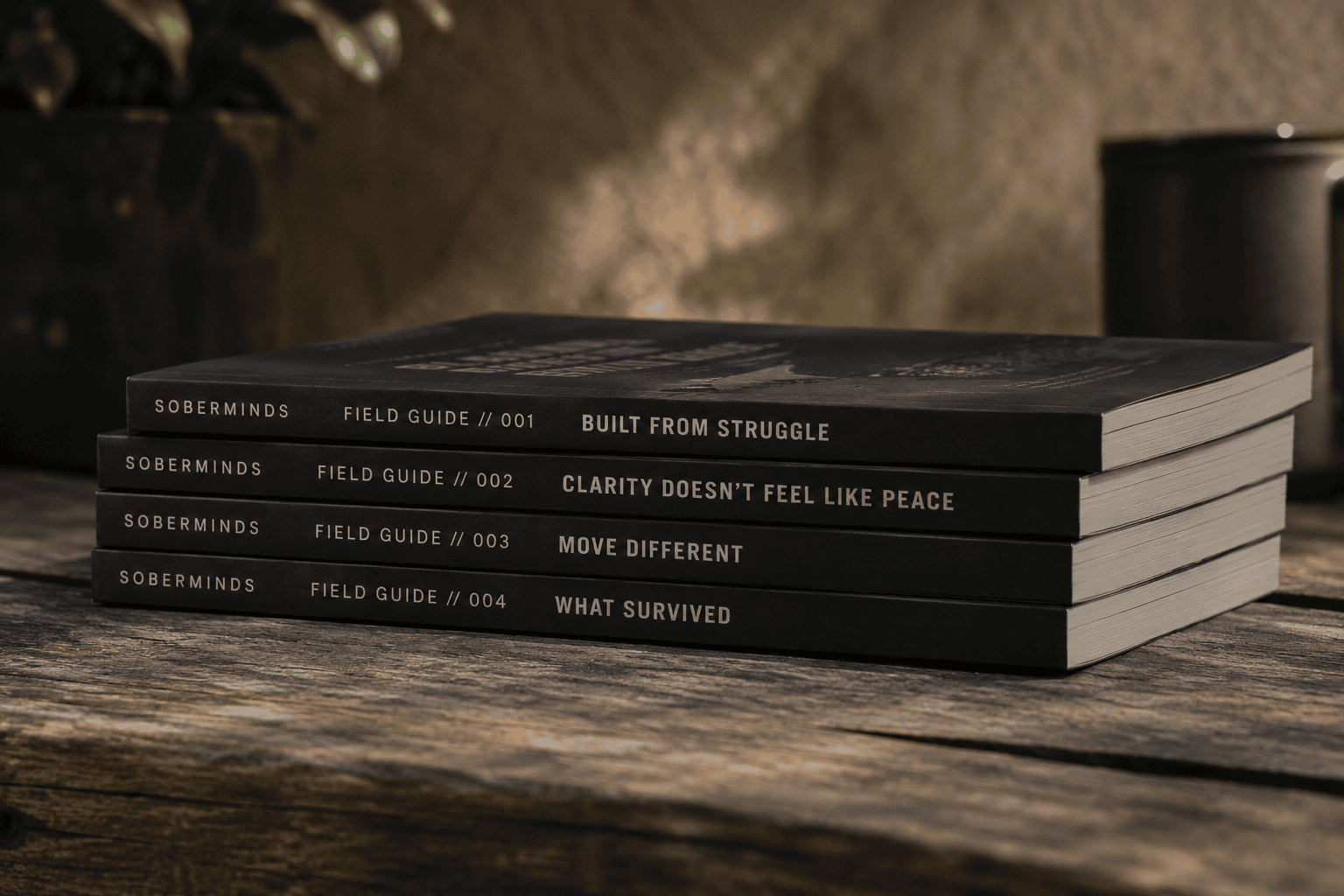
Continue the work. The Field Guide series was built for exactly this stretch of recovery.
Download Field Guide // 000Identity Isn’t Found
It’s tempting to treat recovery like a search — as if the “real you” is hiding somewhere, waiting to be discovered once the addiction is out of the way. That framing feels hopeful, but it usually sets people up to feel lost when no such person shows up.
Identity after addiction isn’t found. It’s built, the same way discipline is built — through repeated, often invisible decisions that nobody’s grading you on. There is no finished version of you sitting in storage.
You’re not becoming someone else, either. The discipline, the clarity, the self-respect — those aren’t new personality traits you’re inventing. They’re the parts of you addiction buried, not deleted.
That distinction matters because it changes what the work actually is. Searching for a lost identity is passive — you wait, and hope it surfaces. Building one is active, and it’s something you have real control over starting today, regardless of how long the addiction lasted.
How Identity Is Rebuilt
Identity rebuilds through repetition — the same small decision, made again and again, long after it stops feeling significant. Not one dramatic turning point. Thousands of ordinary ones, most of which nobody will ever see.
This is slower and less cinematic than most recovery stories make it look. There’s a gradual accumulation of evidence — kept promises, finished tasks, mornings you showed up anyway — that eventually adds up to a person you recognize again.
The version of you that exists a year from now will be built entirely out of what you choose to do today, and tomorrow, and the ordinary day after that. A rough day doesn’t undo the pattern. It’s just one data point inside a much longer one.
Confidence Comes From Repetition
Confidence after addiction doesn’t return through a single decision or a good week. It rebuilds the same way trust does — by keeping small promises to yourself, consistently, long enough that you actually start to believe you will.
Getting up at the same time. Finishing something you started. Showing up early to something that didn’t require it. None of that looks impressive from the outside. Nobody claps for it. But it’s the private evidence that you’re becoming someone your own word means something to again.
Most people expect confidence to come first, followed by the action. In recovery, it usually works the other way around: the action comes first, repeated enough times, and the confidence follows as a byproduct rather than a prerequisite.
Identity and Discipline
Identity and discipline aren’t two separate projects — they build each other. Discipline is what identity looks like in action; identity is what discipline looks like after enough repetition to become permanent. Read the full breakdown on discipline in recovery.
I Didn’t Know What I Liked
I thought quitting drinking would help me find myself. Instead it showed me I had absolutely no idea who I was.
I got sober in Louisville, around Tenth and Market. Cold, rain, people smoking outside, the Healing Place right across the street — men fresh out of detox next to guys who’d been sober for years. Loud. Real. No fake inspiration anywhere in it.
Nobody in that world asks what you like. In the beginning, the questions are different. Where are you from. You fresh out of detox? How long have you been sober. Where are you staying. That’s the entire conversation for weeks.
Eventually the questions shift. “What do you do?” That one’s easy. I work offshore. Simple answer, no thinking required.
Then somebody asks the other one. “What do you like to do?”
I couldn’t answer. Not because I was embarrassed. Because I genuinely didn’t know.
I remember standing there thinking: how do you get to be thirty-something years old and not know what you enjoy?
I could tell you what I drank. I couldn’t tell you what I loved. Alcohol didn’t just replace my evenings. It slowly replaced my personality, so completely that I didn’t even notice it was gone until someone asked me to name a piece of it.
That’s when I realized I hadn’t just lost drinking. I had lost the person underneath it.
My dad called me a wino once. I’d never been called that before, and it hit different than anything else anyone said to me during that whole stretch. I didn’t hear “wino.” I heard “you’re almost gone.” Where I’m from, a wino wasn’t just someone who drank. It was someone passed out behind a liquor store. Someone begging for change. Someone people stepped over. My dad wasn’t trying to insult me. He was telling me where I was headed.
Identity isn’t something sobriety hands you. It’s something you slowly build after the noise finally stops. Read more in my full journey.
The person I thought I’d lost never actually left.
He just stayed quiet while everything else was louder.
I Never Realized What I Was Seeing
For years I thought I liked old cars. Then I thought I liked remodeling houses. Then I thought I liked websites. Then I thought I liked helping people.
Eventually I realized those weren’t different passions. They were all the same instinct.
I’ve always been drawn toward things other people gave up on. Broken cars. Broken houses. Broken people. Broken communities. Everything I’ve ever been pulled toward was something somebody else had already written off.
Because I don’t naturally see what’s broken. I naturally see what’s still possible.
That’s Soberminds. It always has been.
The Immersive Personality
About a year into sobriety, something changed. My brain became a sponge. I wanted to learn everything. If something interested me, I disappeared into it until I understood it, then moved on to the next thing.
I used to think that meant something was wrong with me — that I couldn’t just enjoy something normally, the way other people seemed to. Eventually I understood it wasn’t an addictive personality I had. It was an immersive one. Whatever captures my attention gets all of me. There’s a real difference between those two things, even though they can look identical from the outside.
For years, that happened to be alcohol. Today, it’s building. Same wiring. Different target.
Once I got sober, that same wiring didn’t go away. It just needed somewhere else to go.
The first place it went was art. I became a photographer once I got sober — genuinely became one, not just picked up a camera and called it a hobby. I got into painting too. I hadn’t touched anything creative like that in years, and suddenly I couldn’t get enough of it. Looking back, that was the first real sign the old immersive wiring was still in there, just waiting for something worth pointing it at.
The Navy came first, back before any of this. Offshore work on gas turbines taught me the same total-immersion focus, just channeled into something with actual structure — checklists, procedures, getting it right because getting it wrong had real consequences.
Later it was crypto and NFTs. I went all in, the way I go all in on everything — learning the technical side, the economics, staying up late reading whitepapers because I genuinely wanted to understand how it all worked, not because anyone was making me.
Then it was coding and building websites. Same pattern. Same total absorption. I’d sit with something broken until I understood exactly why it was broken, then fix it, then want to know what else I could build.
Then it was the houses. Then the cars. Renovating something with my hands, tearing it down to nothing and building it back up into something that worked, gave me the same feeling learning code did, the same feeling the crypto research did. Different material. Same wiring.
Soberminds is the same pattern again, just pointed at something that might actually help someone besides me.
I always bought old cars nobody wanted. I always loved broken houses. Now I spend my life talking to broken people. Those aren’t different interests. They’re the same instinct. I don’t naturally see what’s broken. I naturally see what’s still possible.
Looking back, none of those things became my identity. They revealed it. Each obsession taught me something different. But together they showed me one thing: I’m a builder.
I didn’t discover crypto, or coding, or houses, or cars. I discovered the same person over and over again. Everything else — every project, every deep-dive, every all-nighter spent learning something new — was just evidence of that. The activities kept changing. The identity underneath them never did.
That’s something I’ve realized about myself. I’ve always been a builder. I’ve always loved making things with my hands. I just spent years building the wrong life.
The curiosity wasn’t new. The discipline to use it well was.
Evidence of Who You’re Becoming
Identity doesn’t announce itself when it changes. It shows up quietly, in small signs most people don’t think to look for. You know it’s shifting when:
- You keep promises without anyone checking
- You become curious again, about anything
- You start creating instead of escaping
- You look forward to tomorrow instead of just getting through today
- You stop introducing yourself by your past
None of these are dramatic on their own. That’s the point. Identity rebuilds in exactly this kind of unremarkable evidence, not in a single before-and-after moment.
Identity Comes First
Identity is built first. Discipline protects it. Clarity reveals it. Peace becomes possible because of it. Every pillar on this site depends on this one holding.
Identity Is Built, Not Found
People ask me if I ever found myself after addiction. I don’t think that’s what happened.
The person I thought I’d lost never actually left. He just stayed quiet while everything else was louder.
Sobriety didn’t create him. It finally gave me enough silence to hear him again.
- Loading articles…
Frequently Asked Questions
What does identity after addiction mean?
Identity after addiction refers to the ongoing process of rebuilding a sense of self once substance use is no longer organizing your decisions, relationships, and daily behavior.
Can addiction change your identity?
Yes. Addiction reshapes priorities, relationships, and daily behavior over time, which can make the person who emerges from it feel genuinely unfamiliar.
Why don’t I recognize myself after getting sober?
Because the version of you built to survive addiction is gone, and nothing automatically replaces it. That’s a normal part of early recovery.
Will I ever feel normal again?
Most people reach a point that feels stable and familiar, though it feels more like arriving somewhere new than returning to normal.
How do I rebuild confidence after addiction?
Through repetition, not a single decision. Confidence rebuilds the same way trust does, by keeping small promises to yourself.
Is it normal to grieve your old life?
Yes. Even a life that was actively harming you can leave real grief behind. That grief doesn’t mean you made the wrong choice getting sober.
How long does it take to rebuild identity after addiction?
There’s no fixed timeline. Identity rebuilds gradually through repeated decisions rather than a single milestone.
What’s the difference between identity and discipline in recovery?
Discipline is identity in action. Identity is what discipline looks like once repeated long enough to become permanent.
Is starting over the same as rebuilding identity?
They’re closely related but not identical. Starting over is the daily practice; rebuilding identity is the cumulative result over time.
Do I need therapy to rebuild my identity after addiction?
Many people benefit from therapy, and this page isn’t a substitute for professional support.
This page reflects one perspective built from lived experience, not clinical guidance. For research-backed context:
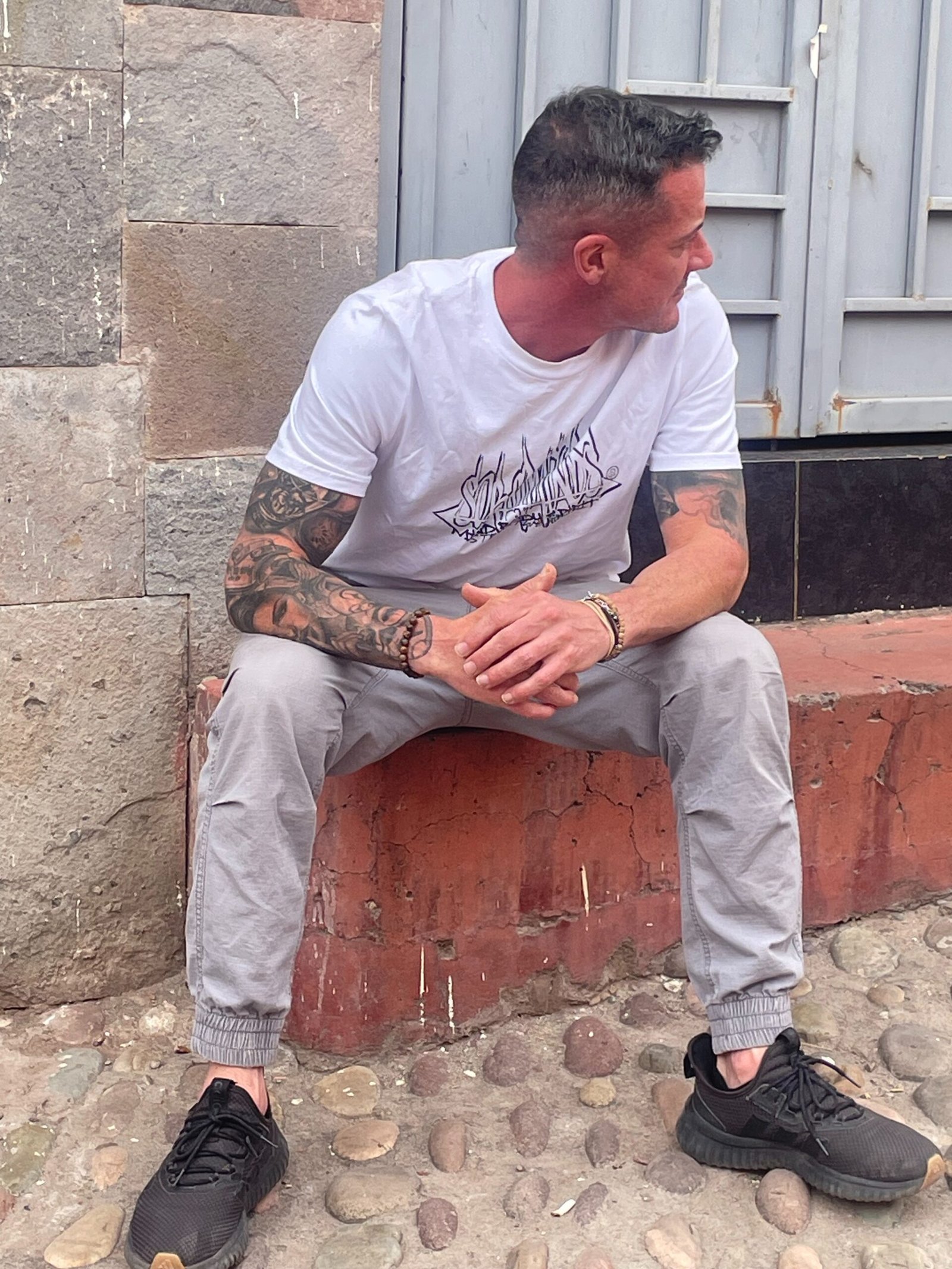
Keep Doing
The Work.
Explore the full Field Guide collection, or browse Soberminds Clothing — Recovery Hoodies and Sobriety Gifts included.
Download Field Guide // 000